
Table of Contents
Blog
The situation Luke Donald found himself in, as leader of the European Ryder Cup team, was this: We’re taking twelve golfers into Bethpage Black, a notoriously difficult golf course, to try to defend the Ryder Cup. On top of that, we’re going to have to deal with three days of loud, boisterous, abusive heckling from a parochial New York crowd hellbent on putting us all off our game. What can we do to prepare for this?
Thanks to Full Swing on Netflix, I have a new bucket list item and that’s to attend a Ryder Cup live one day. So when I heard a conversation with Owen Eastwood on a podcast recently, talking about his experience working with Luke Donald and the European Ryder Cup team, I was all in. In particular, the segment where they talked about preparing for the 2025 Ryder Cup in Bethpage Black really captured my attention. How they approached the situation outlined above was:
Luke Donald, team captain (aka coach) asked every player to come up with their own personal mental protocol to help them perform in the midst of the aforementioned hostile environment. They then helped each player hone their protocol by using actors, acting as unruly, American golf fans to abuse the players in their practice rounds.

You might be thinking like this….
But more like this…
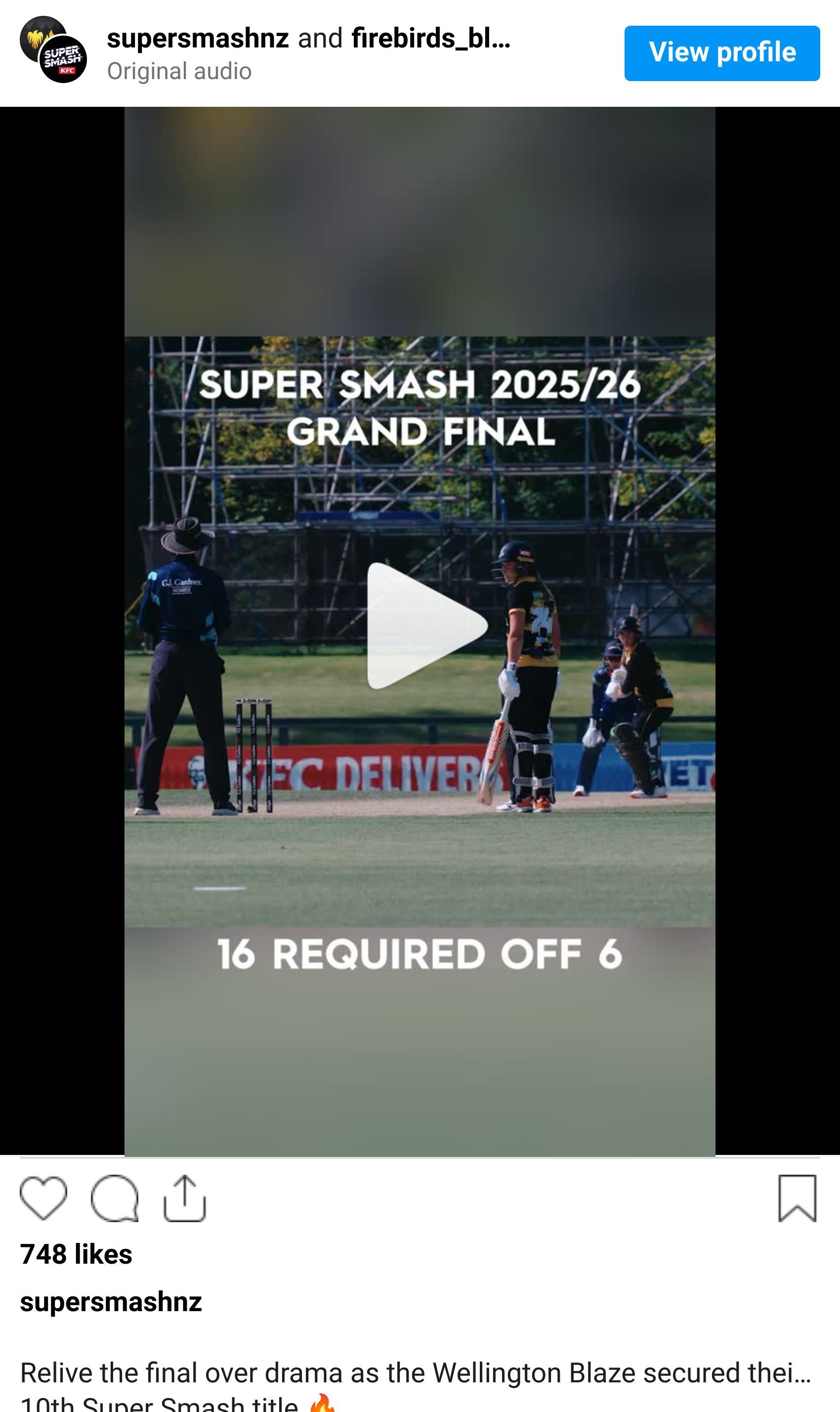
In a sport that is a bit closer to home for me, I was talking with a cricket coach recently around this topic. In his opinion, the most critical skill for a player in T20 cricket is their ability to stay focused on the present ball, and reset from the previous ball, regardless of what happened. T20 cricket is a fast moving game, and a game in which the margins of victory and defeat are very tight. Take the women’s final of the Super Smash competition (New Zealand’s domestic T20 cricket league) from last week. In the last two overs, the winning percentage for the Blaze (the team that eventually won) shifted from 7% to 2% to 7% to 15% to 8% to 54% to 75%. When the game moves that quickly, the players have to have the ability to acknowledge what has just happened, and then reset. They need a mental protocol, much like the Ryder Cup golfers did. And then they need the chance to practice it, regularly and consistently.
Who was your best mental skills coach? Actually, let me rephrase that as, let’s be honest, the vast majority of us would never have had access to a mental skills coach. Who is the person who has helped you the most with what goes on between the ears, the top two inches, in the cockpit? I’ve used those cliches for a reason, as we all know how important the mental side of performance is. The belief I’ve landed on though, in relation to this, is an athletes first mental skills coach (or sport psychologist) should be their coach. Now, let me be clear. I’m not saying coaches should be tackling significant mental health situations, and moving outside of their ‘hunting territory’ to take the lead around conversations on athlete wellbeing. What I do believe though, is that there are key skills we need our athletes to become proficient in, that we can take the lead in helping them develop, that you could class as mental skills. By this, I’m meaning:
Confidence - trusting your preparation under pressure
Focus - directing attention to what matters now
Resilience - Your speed of recovery - being able to fully reengage with the situation in front of you
Commitment - following through on the skill or solution you decided was best in the moment
Emotional regulation - the ability to notice an emotional response and choose a helpful behaviour anyway.
As a coach, we are in a role where we can have significant influence on our athlete’s ability to execute those skills consistently, if we lean in to that and ensure they are a part of our daily training environments. But I wonder, do we see ourselves in that role? When you look back over a training block, how much time and focus did your training design, your team conversations and conversations with individuals focus on mental skills?
Here’s the part I think we often miss. Mental skills don’t live in the classroom, or on a slide deck, or with a sport psych in a once‑a‑month session on “the mental side.” They can’t afford to be a nice‑to‑have. They need to live in the daily habits of training. Every training session is already a mental skills session. The only question is whether we are being intentional about what is being trained.
When Luke Donald created hostile practice environments, he wasn’t stepping into the role of sports psychologist. He was doing his job as a coach — preparing players for what they were actually going to face. The mental skills came through the environment, not on top of it. The same applies in cricket. If staying present ball‑to‑ball is critical in T20, then training should:
Design situations where consequences change quickly
Ask players to articulate where their focus was, and reflect on that
Normalise and rehearse quick resets
Praise behaviours that show commitment to the process, not just outcomes
Create space for regular conversations about focus, resilience, and commitment
So what does this mean for us?
I hope the message is clear here that I don’t think every coach needs to become an expert in psychology. I do think every coach needs to recognise the influence they already have on what goes on between an athlete’s ears, and lean into that influence. You are their first, and often most influential, mental skills coach. So, the starting point isn’t asking “How do I teach mental skills?” I think it’s asking:
What mental skills are my sessions currently rewarding?
What situations am I preparing players for — and which am I avoiding?
What am I helping them practice when things don’t go to plan?
You don’t need to change everything. Just start with one skill. One situation. One conversation. Because when we lean into this role, just like Luke Donald did with the European Ryder Cup team, we’re building the confidence, focus, and resilience our athletes need to perform when it matters.
Quote of the Week
“The difference between the guys who are able to be the biggest champions and the ones that are struggling to get to the highest level is the ability to not stay in those emotions for too long”
Novak Djokovic
An Even Deeper Dive
The whole podcast with Owen Eastwood is well worth a listen:

Want to discuss anything you’ve read? Email us at [email protected]. We’d love to hear from you!
Want to share the Deep Dive with friends? Just send them the link below to subscribe

